
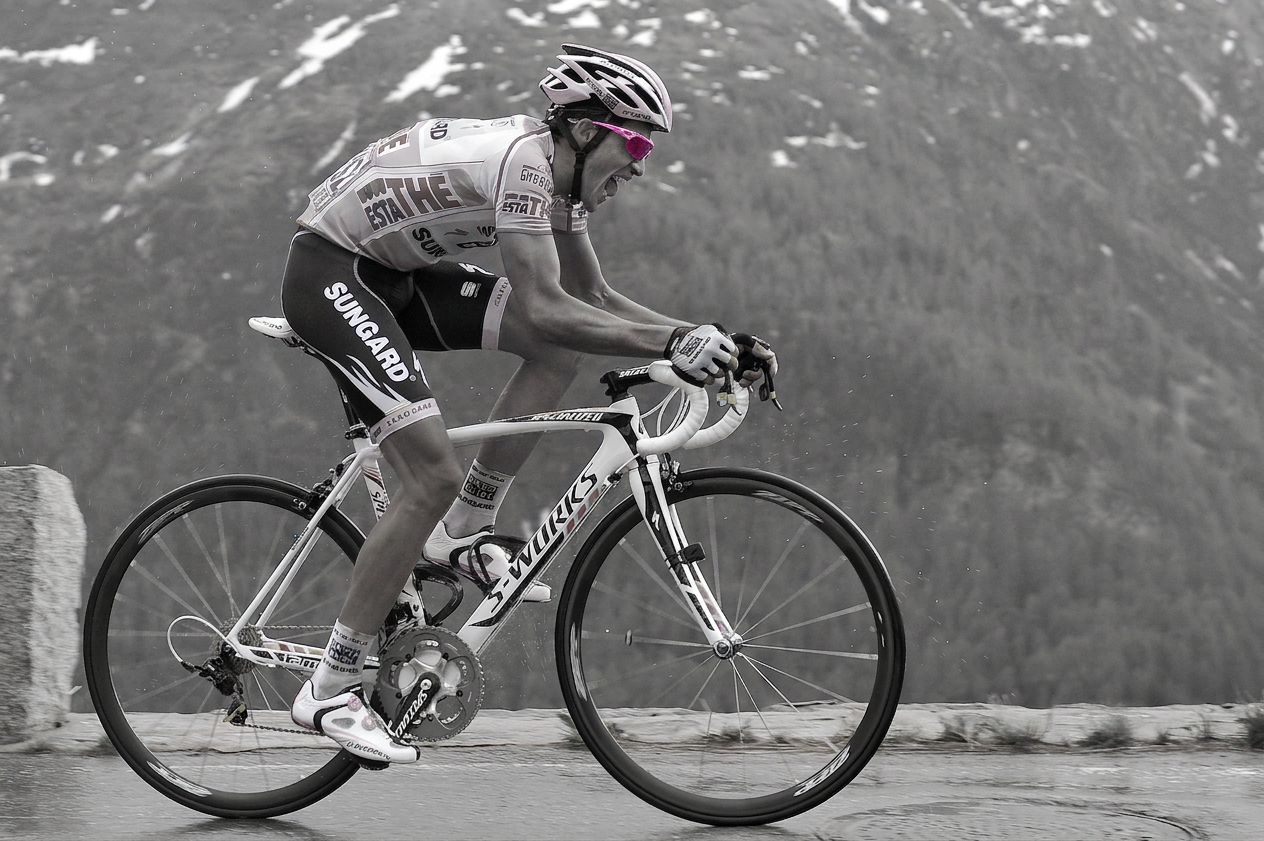
We ride the hill for many reasons, some are concrete and easy to articulate, maybe the view or the challenge. Some of mine might be considered a bit more ‘woo woo’. Let me explain a certain type of climbing experience I sometimes have:
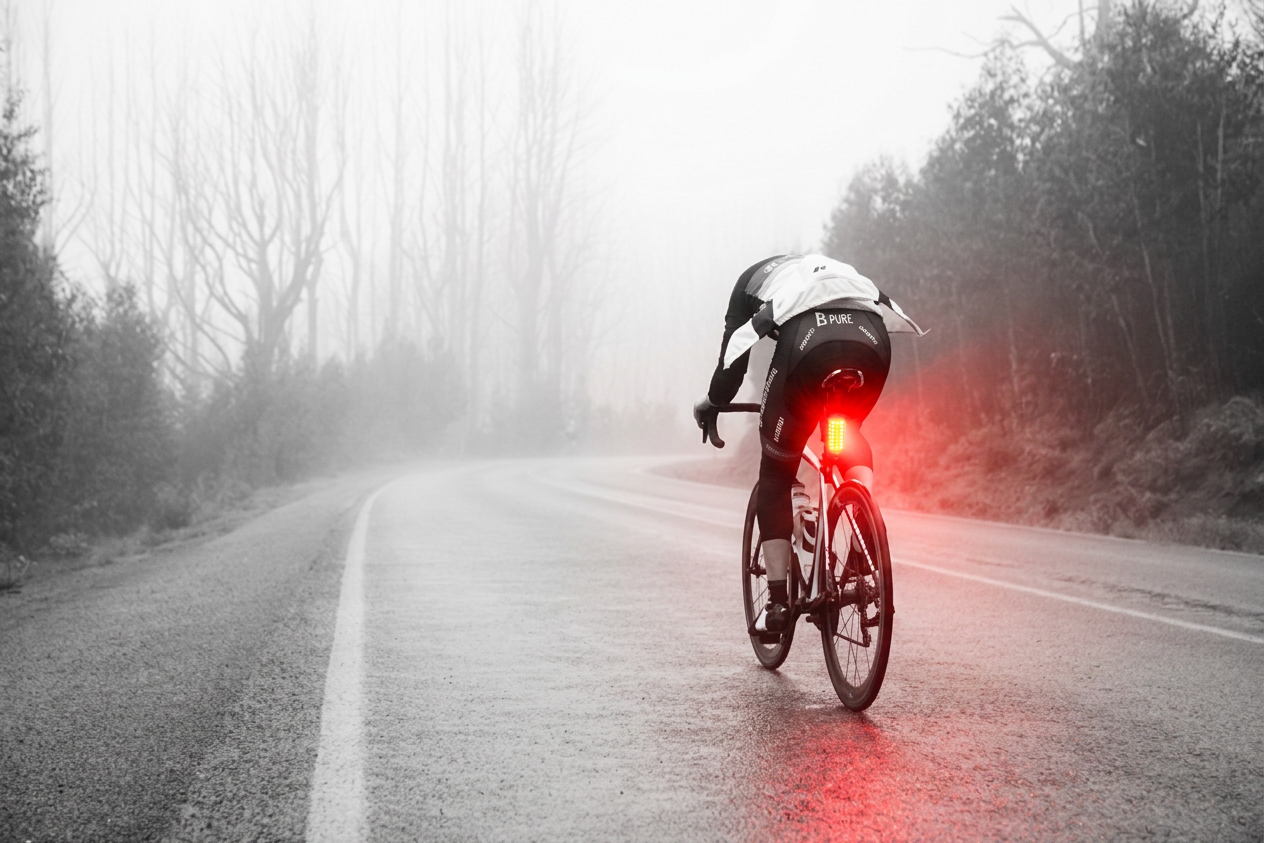
I hit the bottom of a familiar hill and settle into a steady rhythm, not easy, but not too hard. I focus on my breath and keeping good form. The chatter in my head disappears. No more thinking, just the next breath and the hill. I see the road, but I don’t think about it. Time does something strange, I’m suddenly at the top of the climb and something shifts again. Back to reality.
I haven’t mistakenly swapped Haribos for edible gummies, it’s not a mystical experience and I don’t feel the need to sing Kumbayah afterwards, but I do enjoy it.
Psychologists have a name for this kind of experience: flow.
The concept comes from the psychologist Mihaly Csikszentmihalyi. I have mangled this pronunciation in many ways over the years, but to my best understanding it’s MEE-hy CHEEK-sent-mee-HAH-yee.
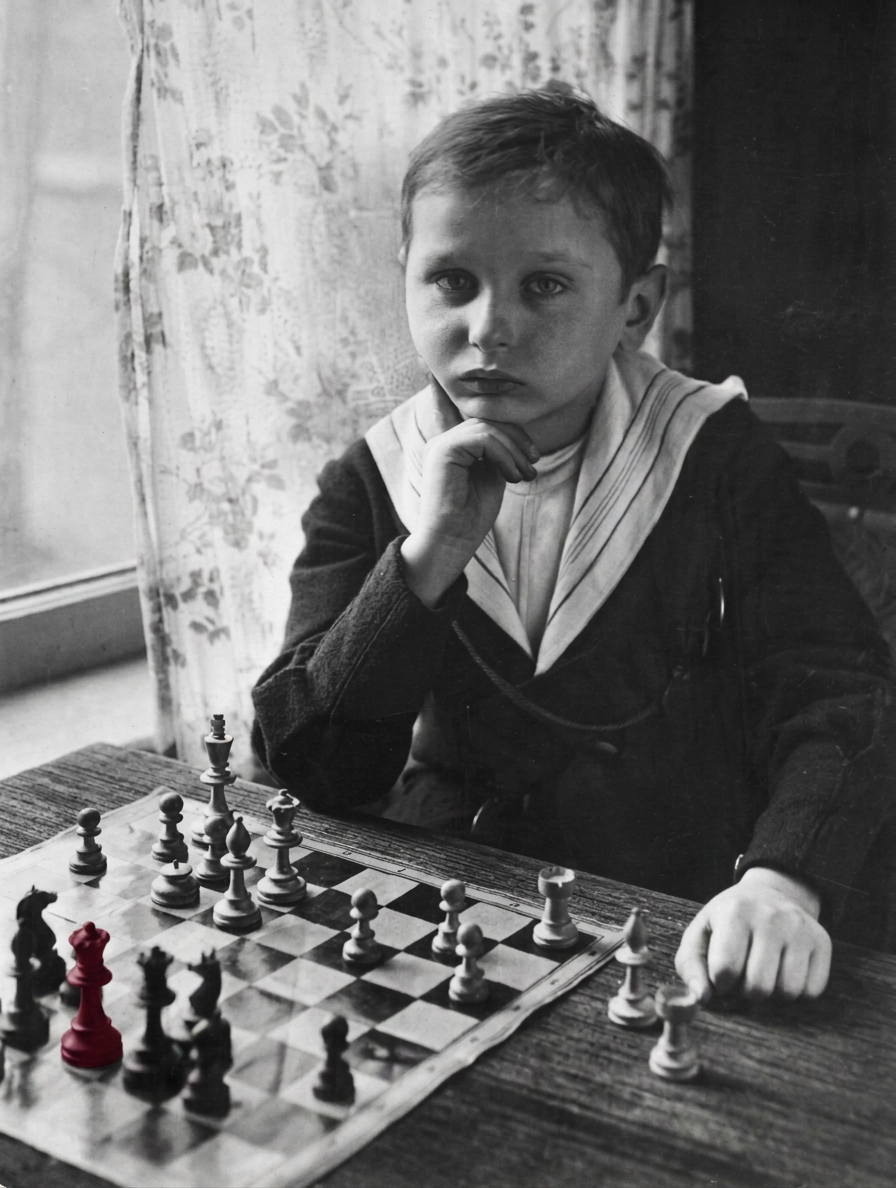
Csikszentmihalyi grew up in WWII, which was obviously stressful for a ten-year-old. However, he noticed that when playing chess with an opponent of around the same skill level, he was alert and engaged, but would forget what was going on around him. Later, in his professional life, he noticed something similar in artists. When their work was going well, they’d ignore hunger and discomfort, pushing on until a piece was finished.
He wanted to understand what made an activity absorbing enough to override normal needs, and interviewed people across all kinds of domains, including rock climbers (but no grimpeurs).
In short, he found something that he conceptualised as flow, which can be thought of as a cluster of characteristics:
- We are concentrated on the present moment – we’re not thinking about the coffee stop.
- There is a merging of action and awareness – the road is just there, you react to it without conscious thought.
- There is a distortion in our sense of time – I’m at the top already???
- There is a loss of self-consciousness – we’re simply riding, not worrying how people will judge how we’re performing.
- The activity is rewarding in itself rather than for any external payoff it brings – this is not about a segment or impressing your ride buddies.
That’s a thumbnail sketch, but flow like any other field, has its own complexities and debates. For example, as flow has been explored in the field of sport, researchers have tried to differentiate between flow and ‘clutch’ states.
People consistently describe flow as effortless and enjoyable at the time. Clutch states, although they share some characteristics, are described as intense and effortful, often tied to achievement and pressure, and usually only recognised as enjoyable afterwards.
Why do we like flow?
The characteristics of flow are interesting, but not obviously linked to pleasure in the manner of say, a well-made coffee. So why might we like flow? We’re all different, but for me, there are a couple of elements that stand out.
The first is the absolute focus that brings on flow. My mind doesn’t wander. It’s fully absorbed and I simply enjoy that sensation. A neurobiologist might explain that by noting that these activities lead to our brains being bathed is a soup of feel-good chemicals. Beyond this, there’s also a second, more philosophical, factor.
Words of the day….autotelic, exotelic and Spaßbremse
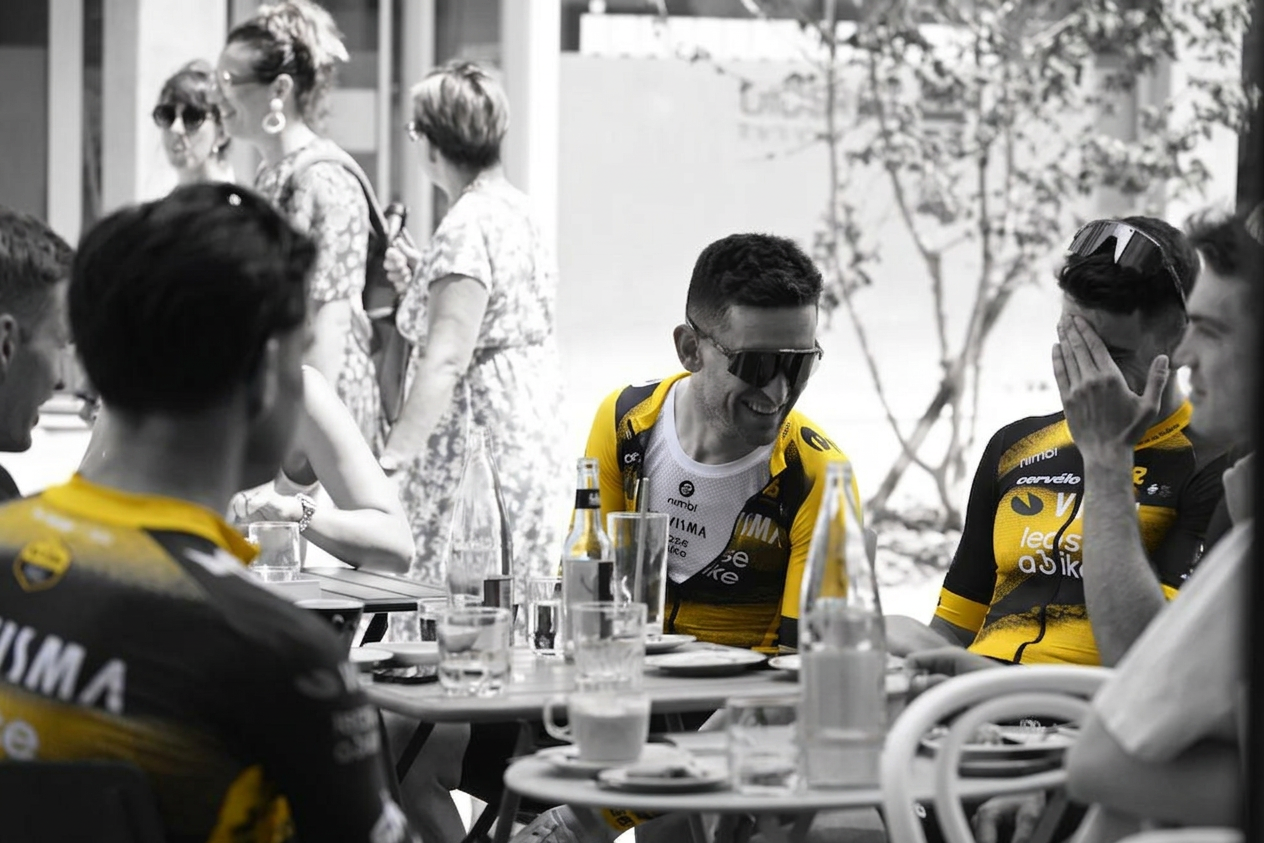
Today’s word of the day is…autotelic, from the Greek auto (self) and telos (goal or end), so literally something that has its goal within itself. Sidebar: Scientists always reach for Greek when creating compound words. Surprisingly, Germans seem to do the funny ones better. That person who always brings down the mood at the coffee stop is a Spaßbremse (SHPAHSS-brem-zuh), literally a ‘fun’ ‘brake’.
Csikszentmihalyi used autotelic to describe an activity being done for its own sake, rather than any external outcome it might produce. A hill ridden because the climbing itself is satisfying is autotelic. The same climb done to post something impressive on Strava is exotelic.
Exotelic goals are often related to status and like it not, human desire for status is carved into our DNA. No matter the philosophy I’ve read, or the mindfulness I’ve practiced, nothing has or will entirely erase those desires. But whilst I recognise their inevitability, I still don’t want to be entirely at their mercy.
And choosing things on my own terms and for their own sake rather than simply accepting what the ‘cyclosphere’ says I should be doing, for me, simply feels better.
Getting to flow
When climbing or doing hard sessions on the turbo, focusing on things like my breath and form seems to increase levels of focus and that changes the impact of discomfort and time.
Whether this is flow, clutch or just absorption is not entirely clear, but for me I do seem able to manufacture something that can be both useful on the turbo and pleasant on the hill. This is not an industrial grade process, it doesn’t work every time. If you want to try and make it work for you, watch the the video from Steven Kotler at the end of this post. He does a deeper dive into ‘flow triggers’.
To create or receive?
I like the sensations around flow and can (unreliably) manufacture it. This leads to the question of whether I should try to, or just let the ride unfold. For me, there is no clear answer. On climbs or roads I’ve ridden many times, I’ll likely will focus on breath and form, if flow comes it comes. On a newer hill or when riding with friends, the focus will be on spontaneity. And honestly, if I want a flow hit, by far the biggest and most reliable dose comes not on a climb, but on a paceline.
Why? First, because the paceline demands more attention I need to stay fully focused to not let gaps appear and to ride smoothly and safely when the pace is high. Flow also appears when we get the balance of the difficulty of any given task and our ability to do it. I’m lucky enough to ride in a group where I get that. Call me Goldilocks.
Flowing beyond us
This relationship with difficulty level and flow is often discussed around the concept of growth. Put simply, if we are engaged and pushing ourselves, not only can we grow, we’ll want to come back for more. Then simply rinse and repeat until we’re really great at something.
When riding in mixed ability groups, we should always keep this relationship between difficulty and growth in mind. If we can help newer/less strong riders get into flow they will enjoy themselves and benefit from its improvement loop. But to facilitate that might mean us slowing down.
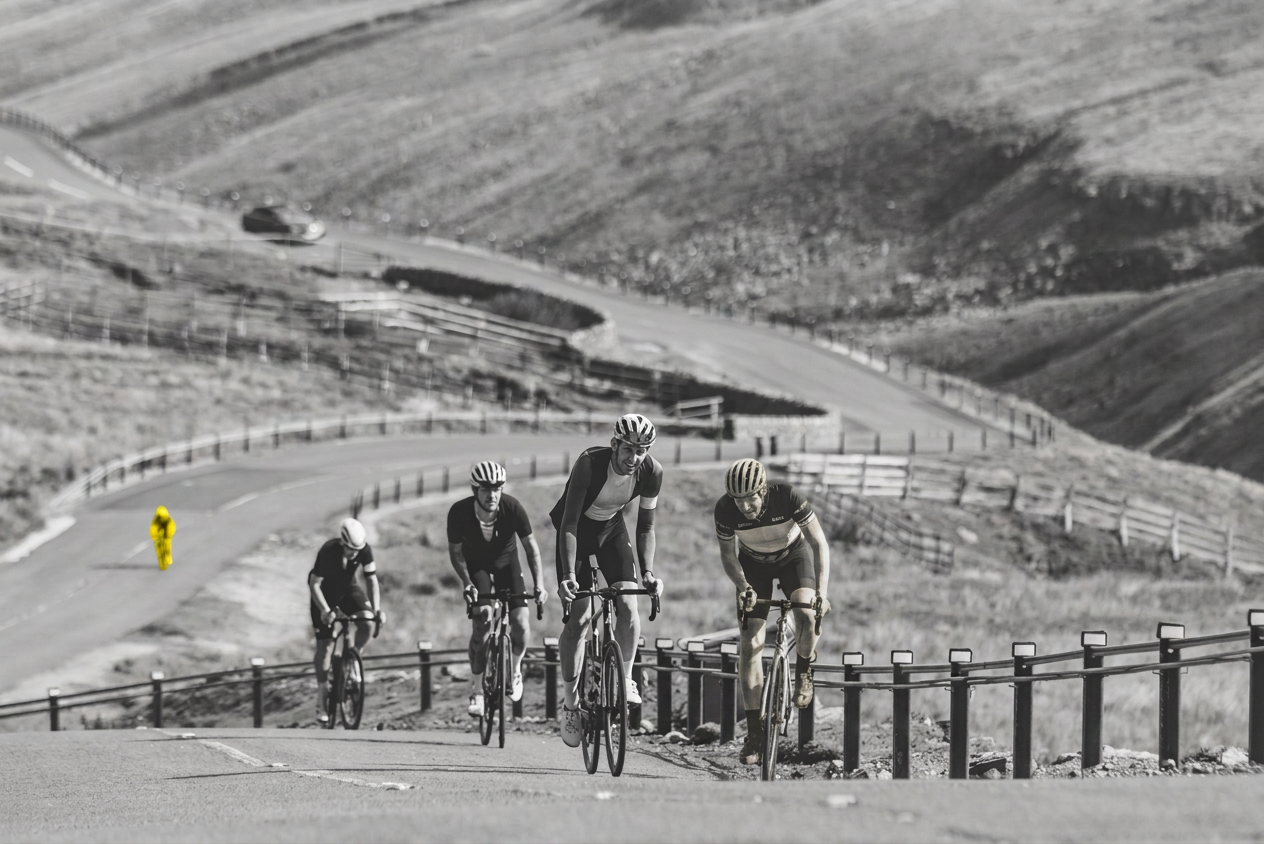
If that’s made you choke on your flat white, you can of course employ the more traditional Spartan approach, i.e. blow the group apart and just drop them. If they come back for more, they’ve got a dogged mindset and will eventually get stronger.
I’m not going to moralise about which approach is right, but flow has the potential to be a truly virtuous circle. And it’s one we can help draw. Now, let’s join hands and sing Kumbayah.
But hey, what do I know, I’m just some chopper.
Interested in more?
An introduction to the concept of flow from the man himself .
A longer discussion with Steven Kotler who has done a lot of work in the sport context. Honestly, this will be more palatable to most people and it has bookmarked chapters if you want to skip ahead.
Kotler’s book on sports performance.


Leave a Reply