
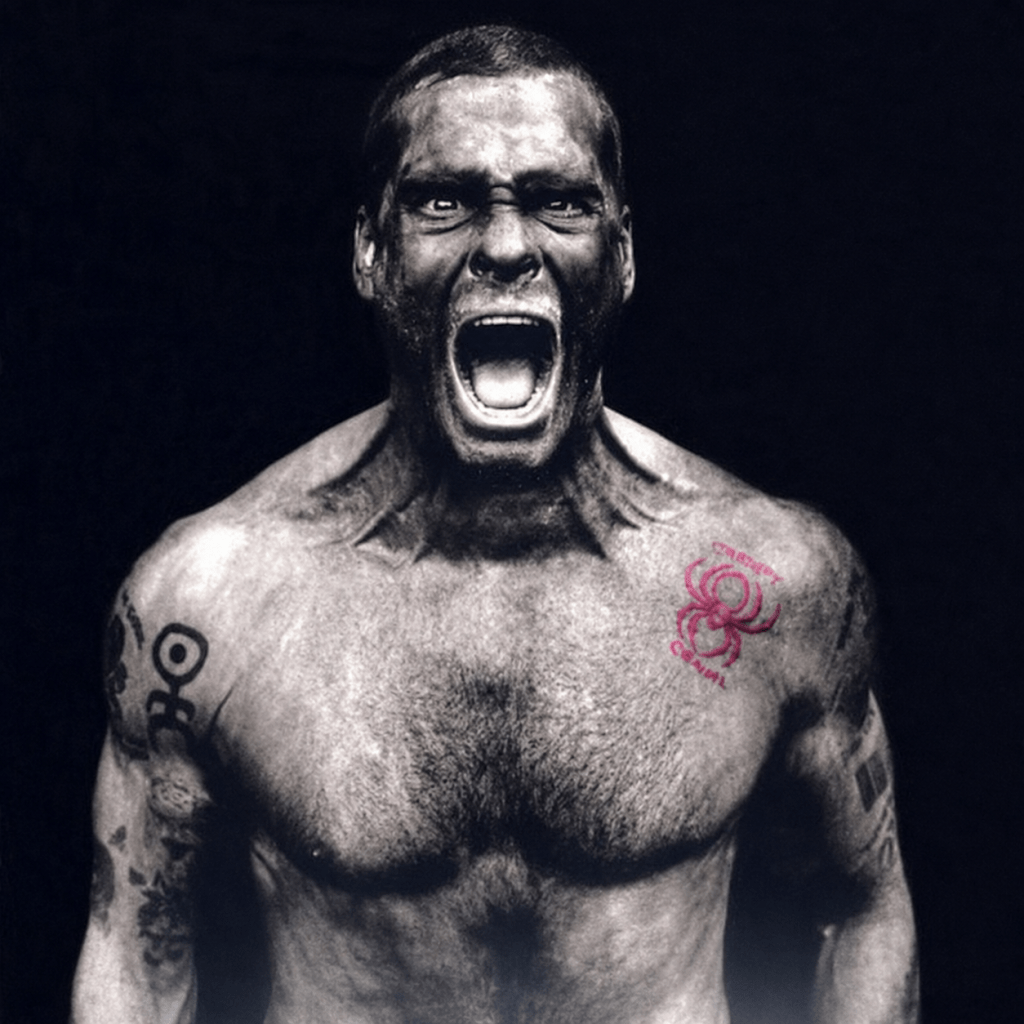
Humans – we all suffer pain and we all find different ways to deal with it. I have a long list of people who have helped me reflect on and rechannel pain in its many forms. One of the more unusual names on that list is Henry Rollins.
Rollins fronted the iconic hardcore punk band Black Flag, is a prolific writer spanning many genres, and has appeared in films good and bad (FWIW, I think Jack in ‘He Never Died’ is the role he was born to play).
Rollins didn’t have an easy start in life. A bad home, a worse school and few friends in the feral world of young boys and men. His was a life careering in the wrong direction until the intervention of a teacher, a hard-boiled Vietnam vet called Mr Pepperman. This was the 70s, there were no hugs, no affirming chat. Pepperman introduced him to the discipline of lifting weights.
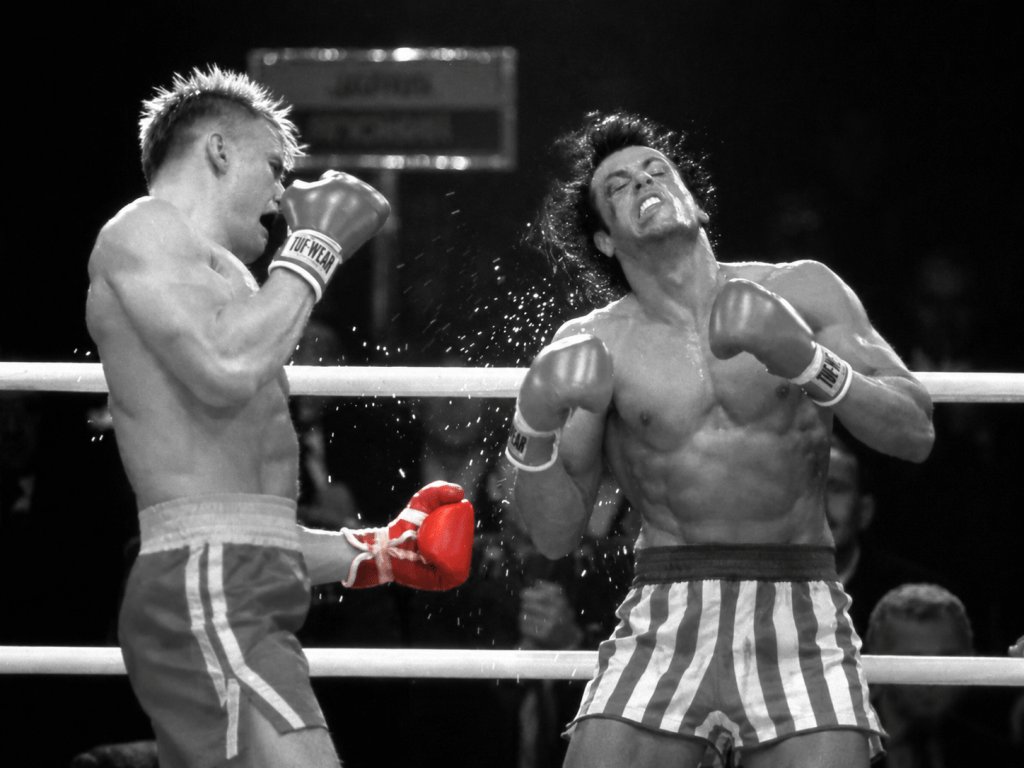
The rules were simple. Follow the program, don’t tell people what you are doing and don’t look at yourself in mirror. This would horrify a modern gymfluencer. How can success be judged without a mirror, a selfie and a stream of likes? There was a clear test – Mr Pepperman would hit him in the solar plexus in the hallway when he wasn’t looking. When he could take the punch, progress had been made. This was a simpler time…
Rollins chronicled this journey in an essay, ‘The Iron and the Soul.’ It’s worth a read and I’ve put a link at the end. It contains some profound and practical wisdom, regarding everything from reframing to acceptance.
I’ve pulled a couple of relevant passages below. They don’t require a PhD in Semantics to see the relevance for us, the bike and the hill:
Constancy
‘The Iron never lies to you. You can walk outside and listen to all kinds of talk, get told that you’re a god or a total bastard. The Iron will always kick you the real deal. The Iron is the great reference point, the all-knowing perspective giver. Always there like a beacon in the pitch black. I have found the Iron to be my greatest friend. It never freaks out on me, never runs. Friends may come and go. But two hundred pounds is always two hundred pounds.’
It Is Not Our Enemy
‘I used to think that it was my adversary, that I was trying to lift that which does not want to be lifted. I was wrong. When the Iron doesn’t want to come off the mat, it’s the kindest thing it can do for you. If it flew up and went through the ceiling, it wouldn’t teach you anything. That’s the way the Iron talks to you.’
Resilience
‘It wasn’t until my late twenties that I learned that by working out I had given myself a great gift. I learned that nothing good comes without work and a certain amount of pain. When I finish a set that leaves me shaking, I know more about myself. When something gets bad, I know it can’t be as bad as that workout.’
I’ve always felt a connection to Rollins. Our early histories are different, but in some way they rhymed. His way of thinking about the intertwined nature of pain and reinvention appealed to the younger me, and re-reading him whilst writing this, I think it still does.
He’s offering three separate ideas here and I think they all transfer to the hill.
Constancy. The hill doesn’t care what TrainerRoad, Strava, or anyone else wants us to believe about our fitness. The hill is a truth machine. It will not lie about the state of our legs, our lungs, or our resolve.
The hill is not the enemy. It’s tempting to think of a climb as something to be beaten, or survived. But the hill isn’t our opponent – it’s not trying to fuck with us. The resistance it provides can take us to where the good things live; achievement, strength, resilience, the experience of our bodies working as they should.
Understanding and accepting the price. The hill has plenty of potential treasures on offer – a sense of achievement, real strength, stunning views along the way. Knowing, marrow-deep, that some discomfort is part of price of admission can help reframe it in the moment. Framing is important to both philosophers and psychologists and I’ll write more about it in future pieces.
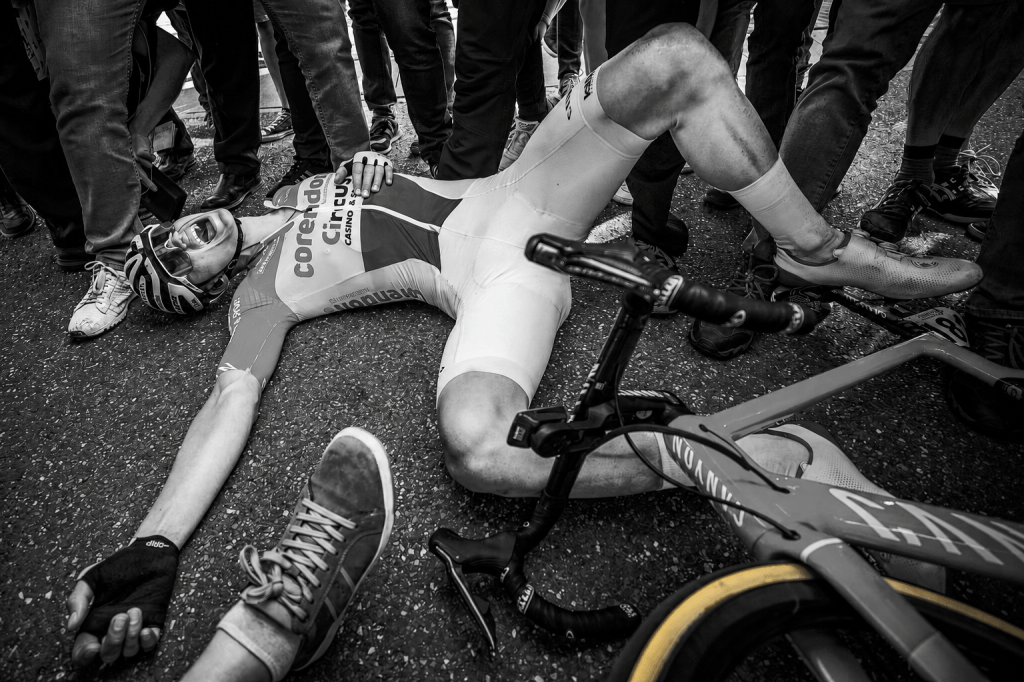
There’s also the question of pain relief, which is a different thing from pain as a price. Sometimes when life is tough, one of the simplest things we can do is get out on the bike. Fresh air, some physical activity, maybe the company of friends – all of these can both distract and heal.
Any good prescription should reflect the pain. I once watched a documentary about people who suffer from cluster headaches – pain so intense that early medical literature called them “suicide headaches.” One interviewee explained that when an attack came on, the only way he could get relief was to retreat to a dark room and hit himself on the forehead with a telephone receiver, over and over, until that pain eclipsed the headache. The hill can maybe provide more relief than the flat road, but only we can know how much suffering we want to create for ourselves. In the essay, Rollins also makes points about the lessons the iron teaches when we try too hard.
The hill and us
This is a tale of transformation, it may not speak to you. For you, the hill might just be thing of simple pleasure. So climb it for this, the camaraderie, the view, or maybe because the day has been hard.
The hill doesn’t care, it doesn’t judge. It will give us back exactly what we brought to it. Nothing more, nothing less. In the ever gyrating shitshow that the world can be, that’s a deal that I can live with.
But hey, what do I know? I’m just some chopper.
You can read The Iron and the Soul here.


Leave a Reply